Aviation Switching Module – NSN 4920-01-250-2696 (AS-IS / Untested): Military Aviation Electrical Module
Aviation Switching Module – NSN 4920-01-250-2696 (AS-IS / Untested): Military Aviation Electrical Module
Blog Article
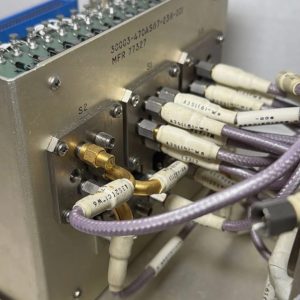
The Aviation Switching Module – NSN 4920-01-250-2696 (AS-IS / Untested) may be suitable for bench evaluation, training displays, component research, restoration work, parts harvesting, or inventory replacement after exact application verification.
An Aircraft Switching Module may interact with test equipment, aircraft systems, electrical circuits, or support hardware, while an Aerospace Switching Module should not be energized without suitable technical information.
Every Aircraft Power Switching Module or Aircraft Signal Switching Module should be assessed individually because connectors, voltage, current, control logic, and system compatibility can vary significantly.
An Aircraft Switching Unit can support specialized signal or circuit management, but an Aerospace Power Distribution Module or Aviation Power Control Module may use different internal architecture and electrical requirements.
Overview of the Aviation Switching Module
Accurate NSN verification helps reduce purchasing errors and prevents an unrelated module from being represented as compatible equipment.
Complete identification increases the value of the Aviation Switching Module for restoration, research, inventory management, or component evaluation.
AS-IS Aerospace Equipment Considerations
The buyer should plan for professional inspection, troubleshooting, repair, parts replacement, or display-only use.
Bench testing should begin only after technical documentation, circuit protection, connector identification, and safe power requirements are established.
Evaluating Aircraft Switching Functions
An Aircraft Switching Module may provide circuit selection, signal routing, controlled connection, isolation, mode selection, or interface functions within compatible aviation equipment.
A detailed visual inventory supports informed evaluation of the Aircraft Switching Module.
Maintaining a Switching Module Assembly
An Aerospace Switching Module may use a durable enclosure, secure connectors, internal wiring, switches, relays, terminal assemblies, circuit boards, or other configuration-specific components.
Connector damage can prevent proper mating or create electrical shorts even when the module enclosure remains intact.
Aircraft Electrical Hardware Review
External condition cannot confirm the state of hidden relays, contacts, circuit boards, wiring, or internal components.
Methodical inspection protects the integrity and research value of the Aircraft Electrical Switching Module.
Aircraft Electrical Control Applications
Similar-looking modules may use completely different pin assignments and operating voltages.
Missing labels or faded markings can make operation difficult more info and may increase the risk of improper testing.
Power Switching Module Inspection
Power switching equipment can create heat, arcing, or equipment damage when connected incorrectly.
Any successful limited test should be documented precisely without changing the overall status beyond what was actually verified.
Choosing an Aerospace Electrical Control Unit
Its internal design may include electromechanical components, solid-state devices, wiring assemblies, circuit protection, or specialized connectors.
Replacement components should match the required electrical, mechanical, thermal, and environmental characteristics of the original design.
Aircraft Signal Switching Module Uses
The pinout and signal type should be confirmed before continuity or injection testing.
A complete accessory inventory improves the commercial presentation of the Aircraft Signal Switching Module.
Aviation Module System Integration
A module removed from its original system can be difficult to test without supporting equipment and documentation.
Every marking should be recorded before purchase or installation planning.
Choosing an Aircraft Switching Unit
The unit can provide parts, reference information, display value, training opportunities, or a candidate for professional restoration.
The equipment should remain clearly labeled as untested and unsuitable for operational installation without evaluation.
Aerospace Power Distribution Module Considerations
Professional evaluation helps determine whether the unit serves a power-distribution role or another specialized function.
Mounting points should be inspected because secure installation can affect grounding, cooling, vibration resistance, and connector alignment.
Control Unit Connector and Switch Review
Documented condition improves confidence among buyers of legacy Aircraft Electrical Control Unit equipment.
Testing results should identify exactly which switches, contacts, indicators, or circuits were evaluated.
Inspecting a Power Control Module
Responsible product information protects buyers seeking an Aviation Power Control Module.
Technicians should inspect for capacitors, transformers, relays, damaged insulation, or hazardous residues before opening or testing the unit.
Aviation Switching System Troubleshooting
System diagrams can help identify required inputs, outputs, grounds, control logic, and companion components.
Repair documentation can help distinguish module faults from system faults.
Preserving Military Aviation Equipment
Connector caps should remain fitted, and the module should be supported without placing pressure on switches, knobs, cables, or mounting brackets.
Loose accessories should be wrapped separately and inventoried before packaging.
Buying AS-IS Aviation Electronics
AS-IS equipment may offer attractive value when the purchaser has the knowledge and resources required for evaluation.
Remote buyers should request current photographs of the actual unit instead of relying on catalog images or pictures of similar equipment.
Aerospace Module Pre-Purchase Inspection
A detailed review reduces misunderstanding and supports realistic purchasing decisions.
- Request photographs of all labels, switches, controls, connectors, mounting points, enclosure surfaces, seals, fasteners, and included accessories.
- Inspect switches, knobs, indicators, connectors, pins, wiring, and terminals for damage, looseness, contamination, overheating, or unauthorized repair.
- Retain purchase records, photographs, labels, research, testing notes, and repair documentation with the module.
Aerospace Module Troubleshooting Process
A qualified technician may use controlled and current-limited equipment appropriate to the module design.
Initial evaluation may include mechanical switch checks, continuity testing, insulation inspection, resistance measurements, and examination for shorts or damaged components.
Repairing Legacy Aviation Control Hardware
Restoration should begin with condition documentation, careful cleaning, technical research, component identification, fault isolation, and repair planning.
Photographs can document internal condition before and after work.
Aviation Switching Module Conclusion
The Aviation Switching Module – NSN 4920-01-250-2696 (AS-IS / Untested) can provide restoration, research, parts, training, collection, or professional evaluation value when its identity and condition are understood clearly.
Buyers should request detailed photographs, accurate AS-IS disclosures, technical research, secure transaction terms, protective shipping, and qualified evaluation where appropriate.
Whether the product is described as an Aircraft Switching Unit, Aerospace Power Distribution Module, Aircraft Electrical Control Unit, or Aviation Power Control Module, AS-IS limitations should remain clear.
With prompt attention to switches, connectors, wiring, enclosure condition, corrosion, labels, and internal components, the module can preserve its technical and commercial potential.
Report this page